
Digital marketing for hospitals involves a patient-centric, multi-channel approach to increase visibility, build trust, and improve patient experience. It focuses on strategies like local SEO, mobile-optimized websites, targeted digital advertising, online reputation management through patient reviews, educational content marketing, and social media engagement to connect with patients effectively.
The way patients choose hospitals has completely changed. Today, before visiting a hospital, most people search on Google, read reviews, explore social media platforms, and visit the hospital’s website to evaluate credibility. A hospital’s digital presence often becomes the first point of interaction with potential patients.
Free Download: Hospital Marketing Ideas PDF
Want a ready-to-use strategy instead of reading the full guide?
Download the exact checklist hospitals use to attract more patients.
This hospital marketing ideas PDF includes practical strategies you can implement immediately.
Why Digital Marketing Matters for Hospitals
Digital marketing for hospitals is the use of online platforms to improve a hospital’s visibility, credibility, and Patient behavior has shifted rapidly in recent years. From booking appointments online to comparing hospitals through reviews and health platforms, most decisions now begin on the internet. Hospitals that are not actively present online risk losing potential patients to more visible and accessible competitors.
Marketing in healthcare is no longer limited to offline channels like print ads or hoardings. Digital marketing allows hospitals to reach the right audience with precision, improve visibility, and track performance more effectively.
Key Insights:
- A significant portion of patients in India now prefer online platforms for booking appointments.
- Digital strategies can help reduce patient acquisition costs compared to traditional methods.
- Most patients research healthcare providers online before making a decision.
These trends clearly indicate that having a strong digital presence is essential. For hospitals, clinics, and healthcare professionals, digital marketing is not just about promotion—it plays a key role in building trust, improving accessibility, and staying competitive in a digital-first world.
8 Digital Marketing Strategies to leverage
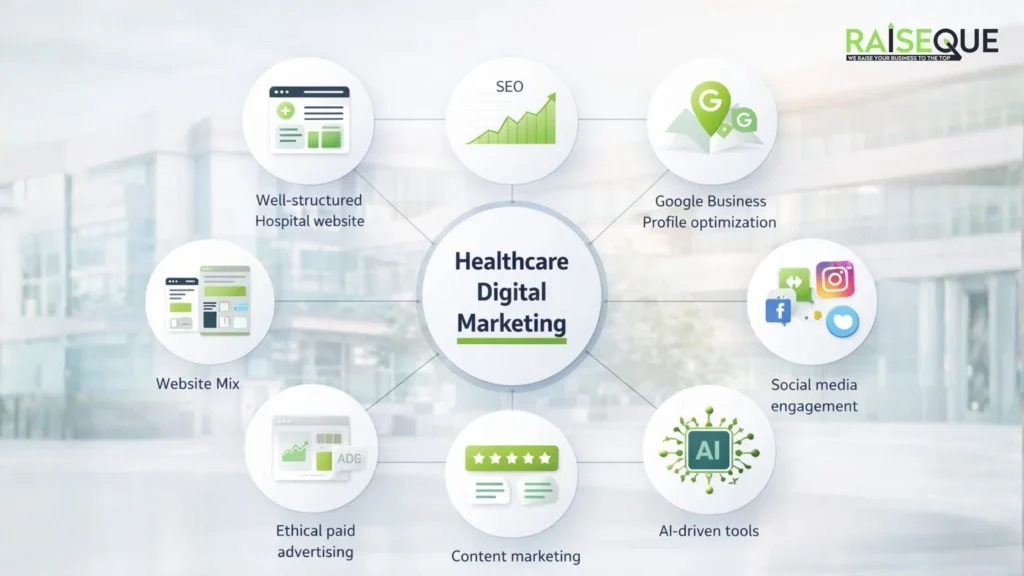
Healthcare marketing is undergoing a major shift as patients increasingly rely on digital platforms for healthcare decisions. The following strategies form the foundation of an effective hospital digital marketing approach.
- High-Quality, Mobile-Optimized Website
- Search Engine Optimization (SEO)
- Local SEO & Google Business Profile Optimization
- Social Media Engagement
- Online Reputation Management for Hospitals
- Content & Video Marketing
- PPC Advertising (Google Ads & Social Ads)
- AI-Driven Tools in Healthcare Marketing
1- High-Quality, Mobile-Optimized Website
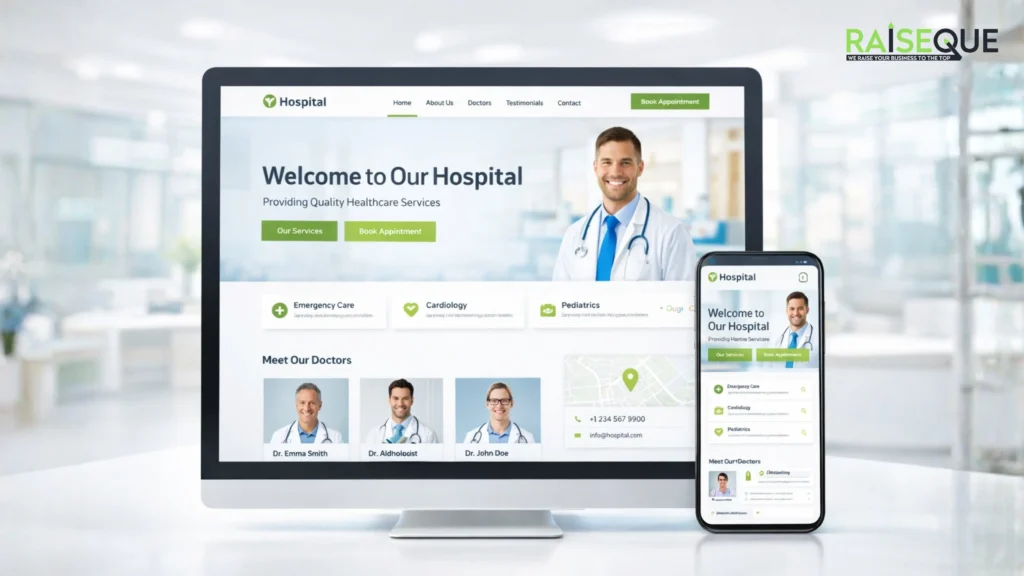
Create a fast-loading, mobile-friendly website with online booking options, patient testimonials, and detailed doctor profiles.
A well-structured hospital website is the foundation of digital marketing and often the first interaction with patients. It should be simple, mobile-friendly, and clearly present services, doctor profiles, and contact details.
Adding features like online booking and patient testimonials helps build trust, improve user experience, and increase patient conversions.
An effective hospital website should include:
- Fast loading speed for better user experience
- Mobile-responsive and accessible design
- Clear service and department information
- Verified doctor credentials and profiles
- Easy appointment booking or enquiry options
- Compliance with healthcare content guidelines
Based on industry experience, patients prefer websites that are easy to understand and quick to use. Clear language, accurate medical information, and smooth enquiry actions reduce confusion and anxiety. A strong hospital website builds credibility, improves patient confidence, and helps patients feel informed and prepared even before their first visit.
2- Search Engine Optimization (SEO) for Hospital
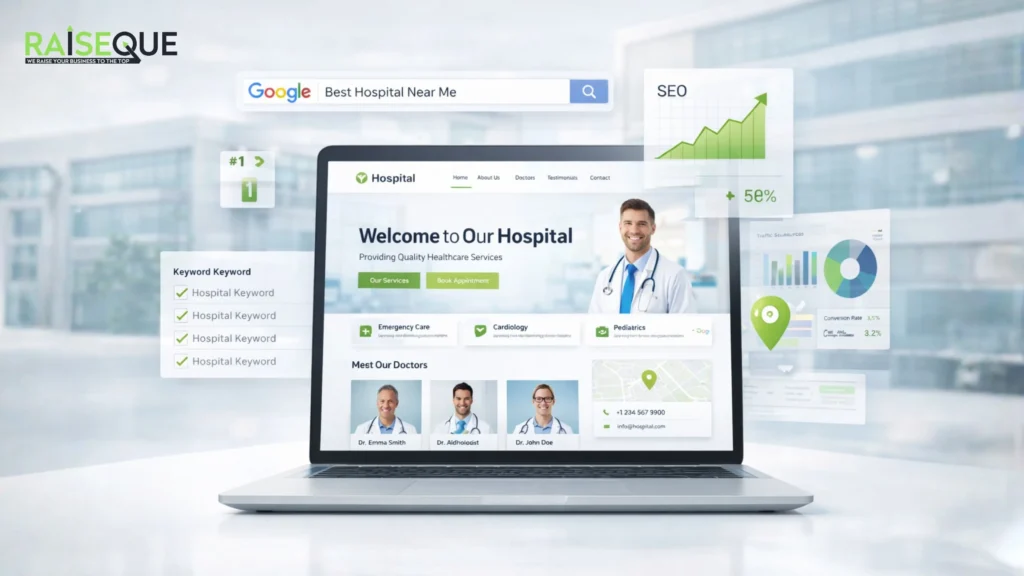
Search engine optimization helps hospitals appear in search results when patients actively look for medical services. SEO for hospital growth focuses on improving visibility for local and treatment-specific searches.
Healthcare SEO helps hospitals appear in search results when patients look for:
- Treatments
- Specialties
- Nearby hospitals
- Doctors and facilities
Important SEO elements include:
- Clear service pages
- Location-based optimization
- Accurate medical content
- Proper headings and structure
Effective SEO includes optimizing service pages, publishing educational content, strengthening local search signals, and maintaining consistent name, address, and phone information. Most hospitals face visibility challenges despite offering quality care, and SEO directly addresses this gap by connecting hospitals with patients who already have intent to seek treatment.
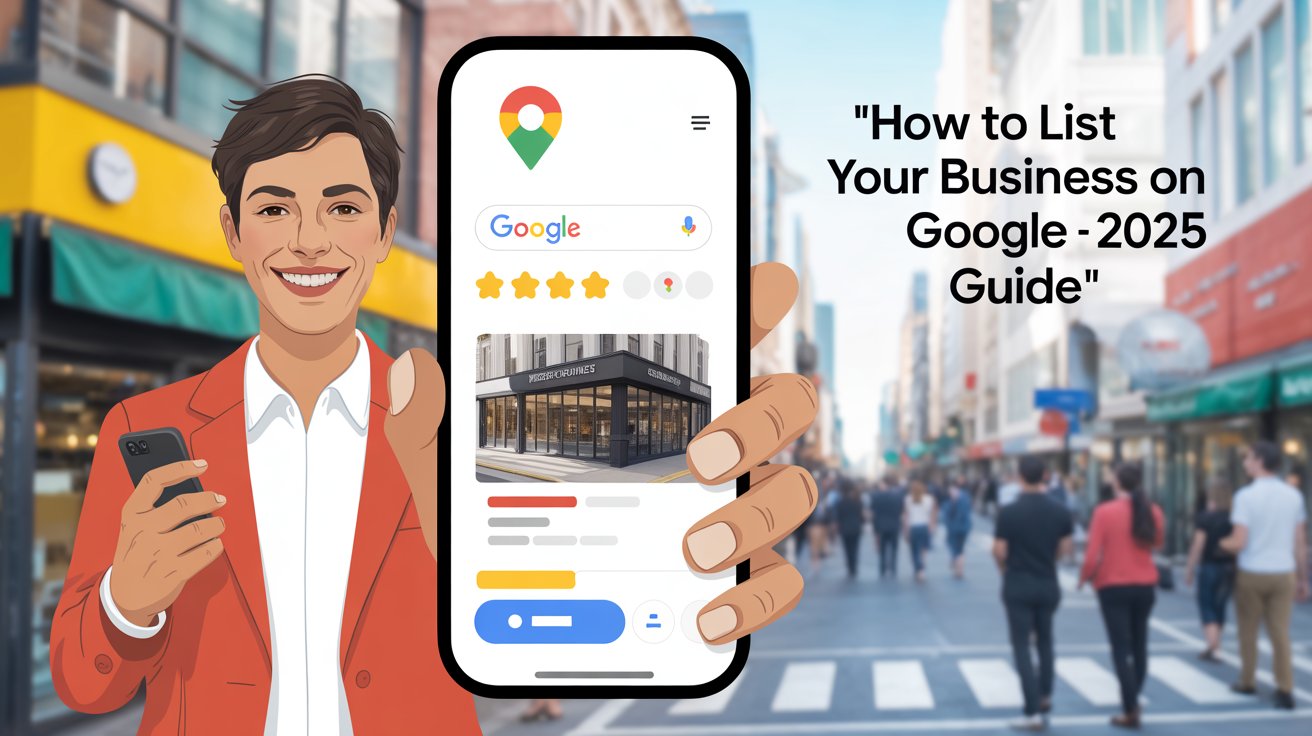
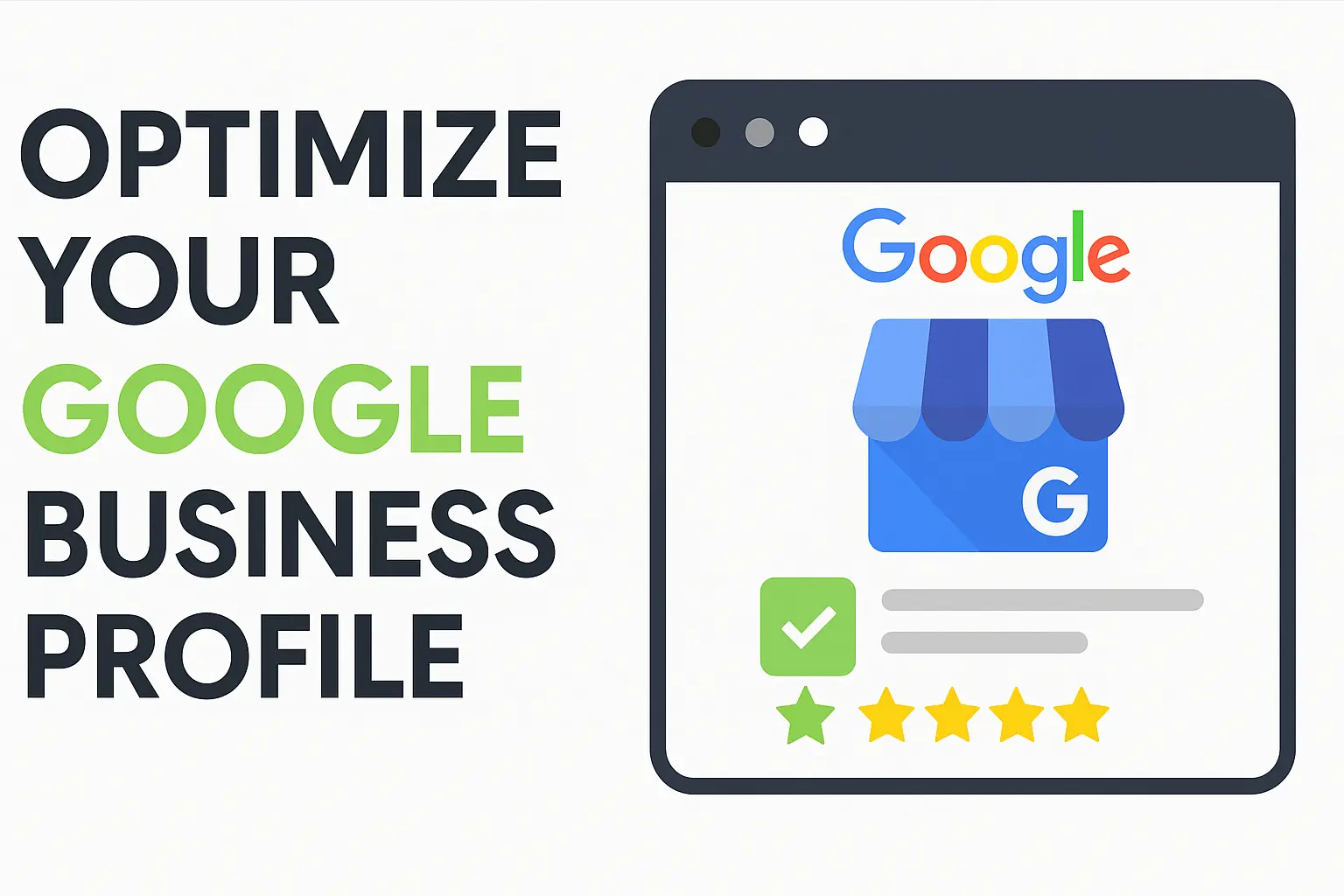
3- Local SEO & Google Business Profile Optimization
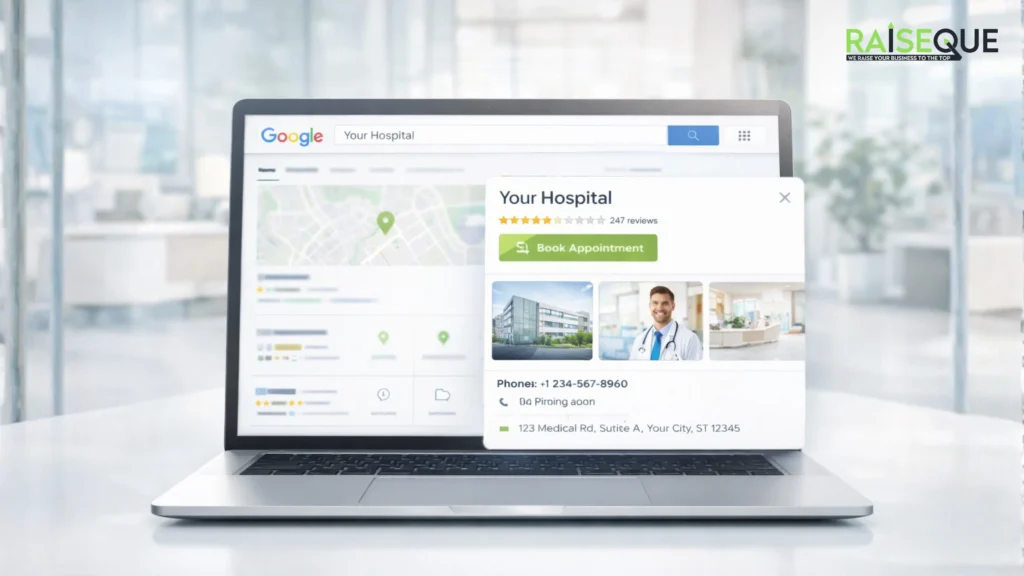
Optimize Google My Business profiles for “near me” searches to capture local patients searching for specific, immediate care.
Local search performance often depends on how effectively a hospital’s Google Business Profile is optimized.
A verified Google Business Profile improves:
- Local visibility
- Patient trust
- Appointment inquiries
Hospitals should ensure:
- Correct address and phone number
- Updated timings
- Genuine patient reviews
- Accurate service categories
An optimized profile improves visibility for “near me” searches and helps patients quickly evaluate a hospital using reviews and photos. Regular updates and professional review responses strengthen trust. In many local healthcare searches, Google Business Profiles influence patient decisions even more than websites.
Patient discovery often depends on local search presence, particularly how clinics and hospitals rank on Google Maps.
4- Social Media Engagement
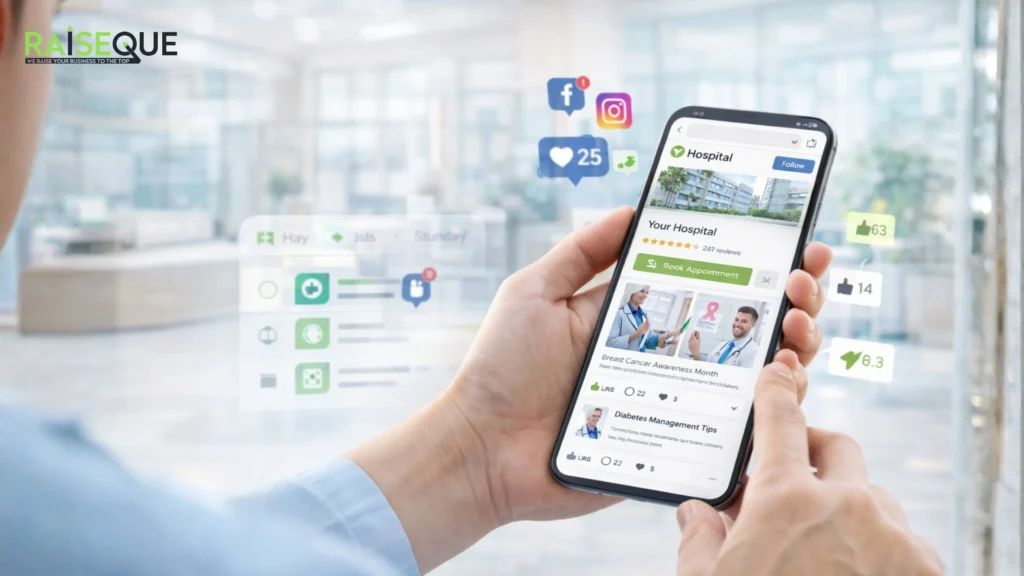
Use platforms like Facebook and Instagram to share patient success stories, health updates, and hospital events.
Social media engagement helps hospitals build awareness and connect with patients beyond clinical settings. It focuses on responsible communication, education, and trust rather than aggressive promotion.
Common uses:
- Health awareness posts
- Event updates
- Public health messages
- Emergency announcements
To understand how different platforms work in healthcare, you can explore our detailed guide on Social Media Platforms for Healthcare: A Practical Guide.
Hospitals can use social platforms to share health tips, preventive care information, doctor highlights, and important updates. From experience, hospitals that focus on education and transparency on social media develop stronger patient trust and long-term visibility.
5- Online Reputation Management for Hospitals
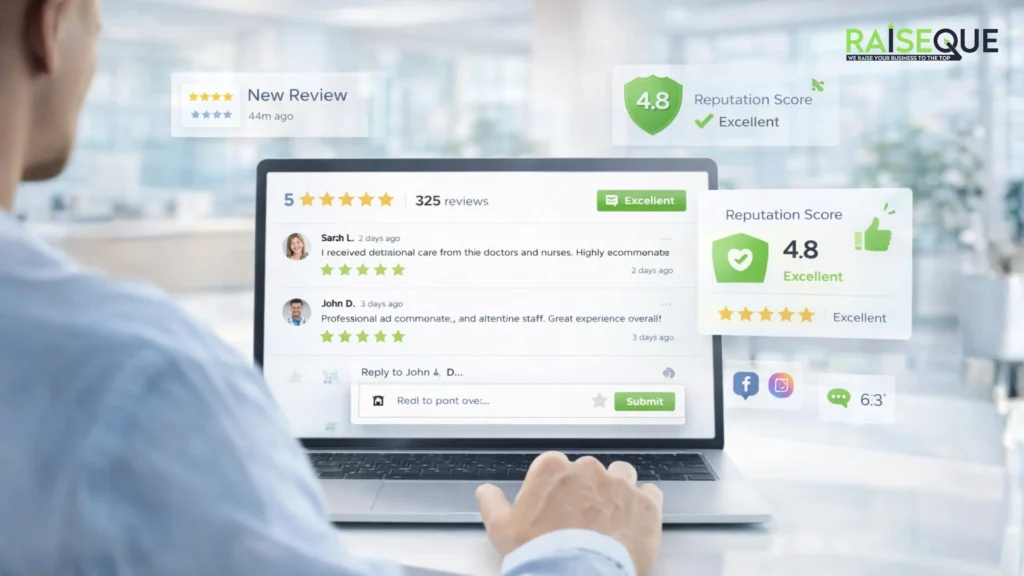
Actively monitor and respond to patient reviews on Google and social media platforms to maintain a positive brand image.
Online reputation management focuses on how a hospital is perceived through reviews and ratings on platforms like Google, which play a critical role in patient decision-making.
Patient trust is influenced by online feedback.
Hospitals should:
- Encourage genuine reviews
- Respond professionally to feedback
- Avoid fake or misleading testimonials
- Monitor review platforms regularly
Trust is built through transparency and consistency.
Managing reputation involves encouraging genuine patient feedback, responding professionally to reviews, and addressing concerns transparently. Digital tools help hospitals monitor feedback and maintain accurate listings. A strong online reputation reassures patients and reinforces trust built through other digital efforts.
6- Content & Video Marketing
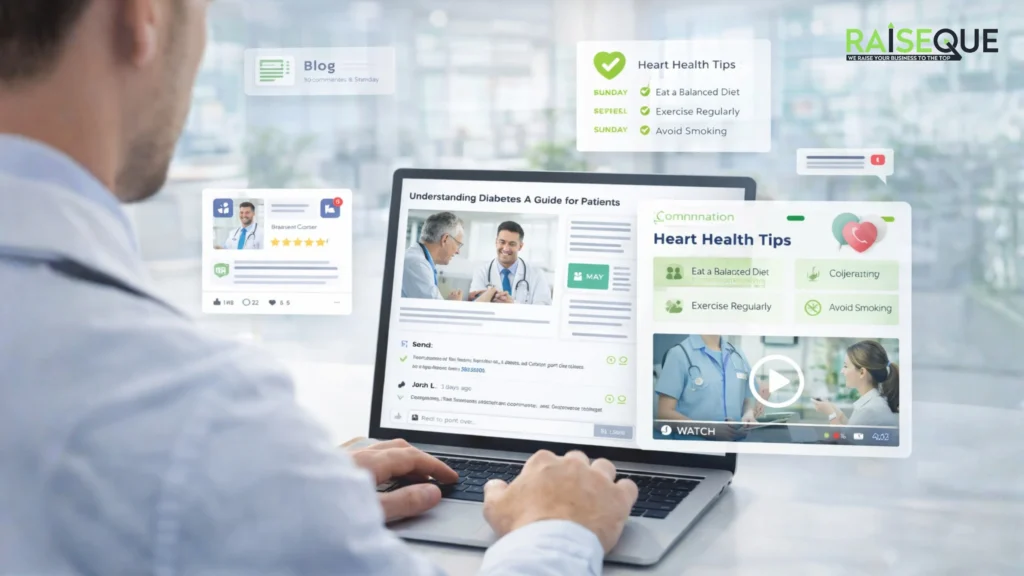
Share educational health blogs and videos to build trust and authority in specialized areas like orthopedics or cardiology.
Content marketing helps hospitals educate patients before they seek care, as most people search online to understand symptoms, treatments, procedures, and recovery expectations.
Effective hospital content marketing commonly includes:
- Informational blogs on health conditions and treatments
- Frequently asked questions (FAQs) for common patient concerns
- Preventive care and health awareness articles
- Pre- and post-treatment patient guides
- Seasonal or community health education content
Hospital content may include blogs, FAQs, awareness articles, and patient guides. Educational content that is reviewed and approved by doctors improves medical accuracy and patient trust. This approach aligns with globally recognized healthcare communication standards that emphasize clarity, accuracy, and patient-centered information. Based on real-world healthcare practices, this approach helps hospitals build credibility and positions them as reliable healthcare information sources rather than purely promotional entities.
7- PPC Advertising (Google Ads & Social Ads)
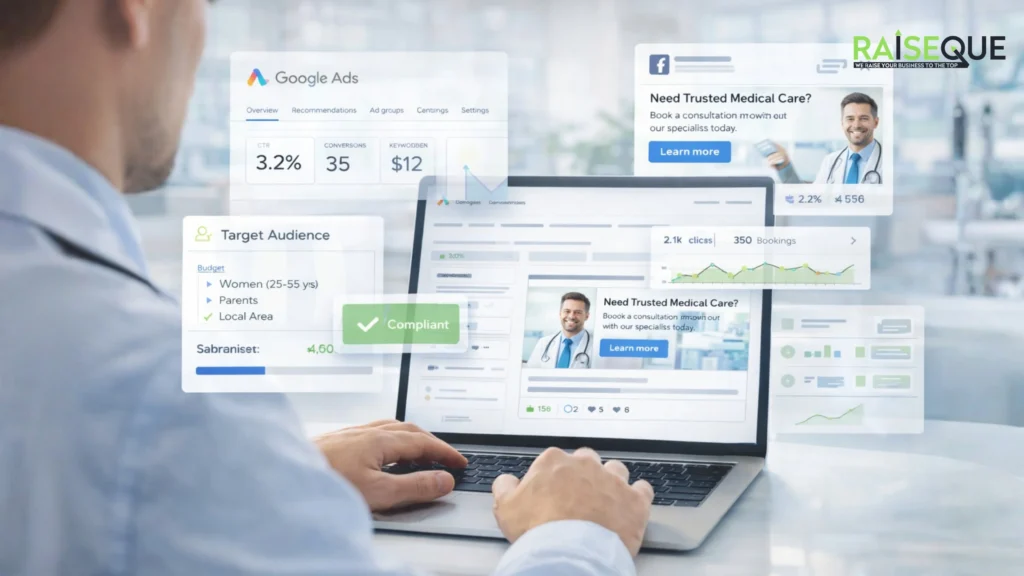
Use Google Ads and Facebook Ads to target patients by location, demographics, and specific services, driving immediate enquiries and ROI.
Ethical paid advertising can support hospital visibility when used responsibly, focusing on awareness, accessibility, and accurate information rather than exaggerated or misleading claims.
Responsible hospital paid advertising includes:
- Promoting health camps and screening programs
- Sharing awareness about medical services and facilities
- Highlighting preventive care and public health messages
- Providing clear location and contact information
- Following medical advertising and patient privacy regulations
Paid campaigns are effective for promoting health camps, services, or educational initiatives when they strictly follow healthcare advertising guidelines. When combined with organic strategies such as SEO and content marketing, ethical paid advertising enhances reach and accessibility while maintaining transparency and patient trust.
8- AI-Driven Tools in Healthcare Marketing

AI-driven tools help hospitals analyze patient behavior, optimize content performance, and improve operational efficiency. These tools assist with keyword research, trend analysis, and user experience insights.
Common applications of AI in hospital digital marketing include:
- Analyzing patient search patterns and online behavior
- Identifying high-intent healthcare keywords
- Improving website navigation and user experience
- Tracking content performance and engagement trends
- Supporting data-driven marketing decisions
When used responsibly, AI supports decision-making without replacing medical expertise. In healthcare digital marketing, AI improves consistency, efficiency, and data-driven planning while keeping patient needs, accuracy, and ethical standards at the center.
These digital marketing strategies for hospitals work together to improve visibility, build trust, and create a seamless patient experience across all digital touchpoints.
💡 Prefer a quick actionable version?
Download the Hospital Digital Marketing Checklist (PDF)
Benefits of Digital Marketing for Hospitals
• Increased Visibility: Ensures your hospital is found when patients are searching for medical help online.
• Trust and Brand Building: Showcases expertise through content and positive patient feedback.
• Measurable ROI: Unlike traditional marketing, digital efforts allow tracking of patient engagement and conversion rates, allowing for budget optimization.
• Targeted Outreach: Allows campaigns to reach specific patient populations needing specialized treatments.
In addition to these benefits, digital marketing helps hospitals improve patient engagement, provide easy access to information, and create a seamless experience across multiple touchpoints.
It also supports long-term growth by strengthening online presence, improving communication, and helping hospitals stay competitive in an increasingly digital healthcare environment.
How Can a Hospital Improve Online Patient Acquisition?
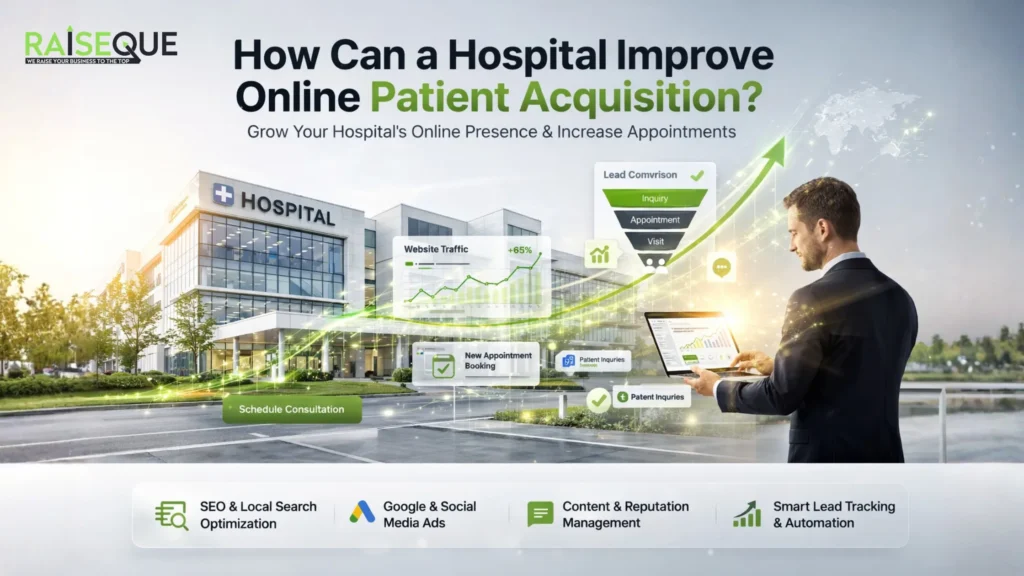
Hospitals can improve online patient acquisition by focusing on visibility, clarity, and trust across the patient’s digital journey. Most patients begin by searching online for nearby hospitals, treatments, or specialist services.
When hospitals appear consistently with accurate information and offer a clear digital experience, patients feel more confident taking the next step.
Key factors that support online patient acquisition include:
- Strong visibility in local search results for relevant healthcare queries
- A simple, well-structured website that guides patients without confusion
- Clear pre-visit information such as treatment details, consultation steps, and facilities
- An updated Google Business Profile with accurate details, reviews, and directions
- Regular educational content that builds credibility and patient trust over time
The focus should always remain on helping patients make informed decisions, not just driving website traffic.
How to Choose the Right Healthcare Digital Marketing Agency for Hospitals?
Healthcare marketing requires a different approach compared to other industries. Hospitals must communicate responsibly while building visibility and trust among patients searching for medical services online.
When selecting a digital partner, hospitals should focus on experience in healthcare communication, understanding of medical content guidelines, and the ability to deliver long-term results through ethical practices. Effective strategies rely on search engine optimization, patient-focused content, local visibility, and consistent online reputation management rather than aggressive promotion.
A specialized Healthcare Digital Marketing Agency can support hospitals by aligning digital efforts with patient search behavior and industry standards, helping improve online discoverability while maintaining credibility.
Final Thoughts
Digital marketing for hospitals is now a key part of modern healthcare communication. Patients expect hospitals to be visible online, share reliable information, and build trust before they visit. A strong digital presence helps hospitals reach the right patients, support informed decisions, and improve overall patient experience through clear and accessible information. When done ethically and transparently, digital marketing supports hospital growth while better serving patients and communities.
Frequently Asked Questions
1. Why is digital marketing important for hospitals?
Digital marketing helps hospitals increase visibility, build patient trust, and generate appointments online. Most patients search on Google before choosing a hospital, so strong online presence directly impacts patient acquisition.
2. What are the best digital marketing strategies for hospitals?
The most effective strategies include SEO, Google Business Profile optimization, paid ads, social media marketing, reputation management, and a well-designed website. Together, they attract and convert patients consistently.
3. How can SEO help hospitals attract more patients?
SEO improves a hospital’s visibility on search engines when patients search for treatments or specialists. Ranking higher builds credibility, drives organic traffic, and increases appointment inquiries without relying only on paid ads.
4. Is social media marketing effective for healthcare institutions?
Yes. Social media builds awareness, shares patient education content, highlights success stories, and strengthens brand trust. It helps hospitals connect with their local community and engage potential patients.
5. How do online reviews impact hospital growth?
Online reviews influence patient decisions significantly. Positive reviews build trust and credibility, while timely responses improve reputation. Strong review management can directly increase patient inquiries and hospital growth.